
The Hidden History of Guns & the 2nd Amendment with Thom Hartmann
June 6, 2019
This week, host Benn Marine talks with New York Times bestselling author Thom Hartmann about his book The Hidden History of Guns and the Second Amendment. Thom breaks down the two original reasons behind the Second Amendment: the founders' fear of standing armies turning into military coups, and a lesser-known concession to Southern slaveholders (including Patrick Henry) who wanted to protect their state slave patrols. He traces how the NRA shifted in the 1970s–80s from a sportsman's group into a gun-industry lobbying arm, and how that shift produced the "individual right to bear arms" argument later adopted in the Supreme Court's Heller decision.
The conversation also covers the disproportionate impact of gun violence on communities of color, tied back to the slave-patrol origins of American policing; the link between gun access and suicide, illustrated by the loss of Thom's close friend Clark and by Australia's post-1996 gun buyback results; and the role of money in politics — including the Buckley and Citizens United decisions — in defeating popular gun-safety measures like Maine's 2016 background-check referendum. Thom closes with advice for organizers: lead with information, stay active even in small circles, and trust that individual behavior change compounds into culture change.
SHOW NOTES
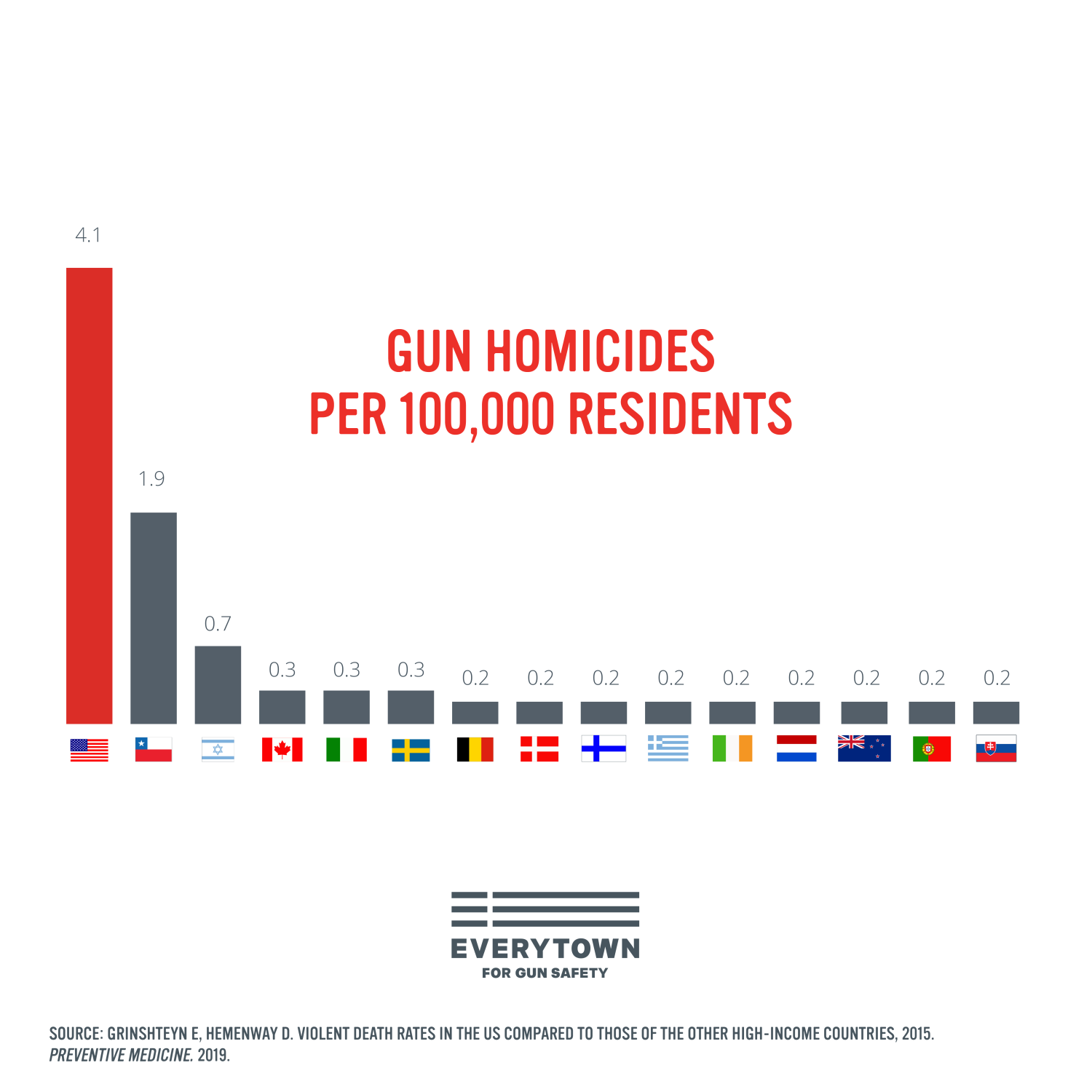
100 people die from gun violence every day in America. We have the highest rate of gun violence in the world. This month (June) is gun violence awareness month and this weekend beginning June 7, 2019 marks a nation wide weekend of action to bring about awareness of gun violence in america.
To help us better understand gun violence and its roots in our history, I hopped on the phone with special guest Thom Hartmann. Thom is a New York Times best selling author of 24 books in print and hosts his own progressive TV and radio show with an audience of over 6.5 million people. His latest book The Hidden History of Guns and the Second Amendment dives deep into our history and sets the record straight for the framer’s intent of the second amendment based on thorough research.
To learn more about Thom Hartmann, check out his website at thomhartmann.com and you can pickup his book The Hidden History of Guns and the Second Amendment on amazon smile (note, when shopping amazon, always shop amazon smile, prices are the same as amazon and a portion of your purchase goes to a non-profit that YOU get to choose!).
To take action this weekend, wear orange to raise awareness of gun violence and please visit the WEAR ORANGE website to find an action near you to participate in. Visit the previous link and then scroll down the page, punch in your zip code and voila! Sign up and show up! Easy as pie.
SAVE (Students Against Violence Everywhere) is an organization that provides young folks with ways to organize and work towards gun violence prevention by promoting leadership skills, community building, and education work. They work with The Sandy Hook Promise which is;
“I promise to do all I can to protect children from gun violence by encouraging and supporting solutions that create safer, healthier homes, schools and communities”
To make the Sandy Hook Promise yourself, simply visit their website (linked to previously).
Also, I know on this issue in particular it can be easy to begin to feel overwhelmed and frustrated by the lack of progress on the federal level, AND there is good news. Wins are happening all the time at the local and state levels that are reducing gun violence. When we come together through persistence and resilience we CAN win. We may not win them all, but as long as we get back up, dust ourselves off, and keep fighting, we will win in the end. Because our lives depend on it.
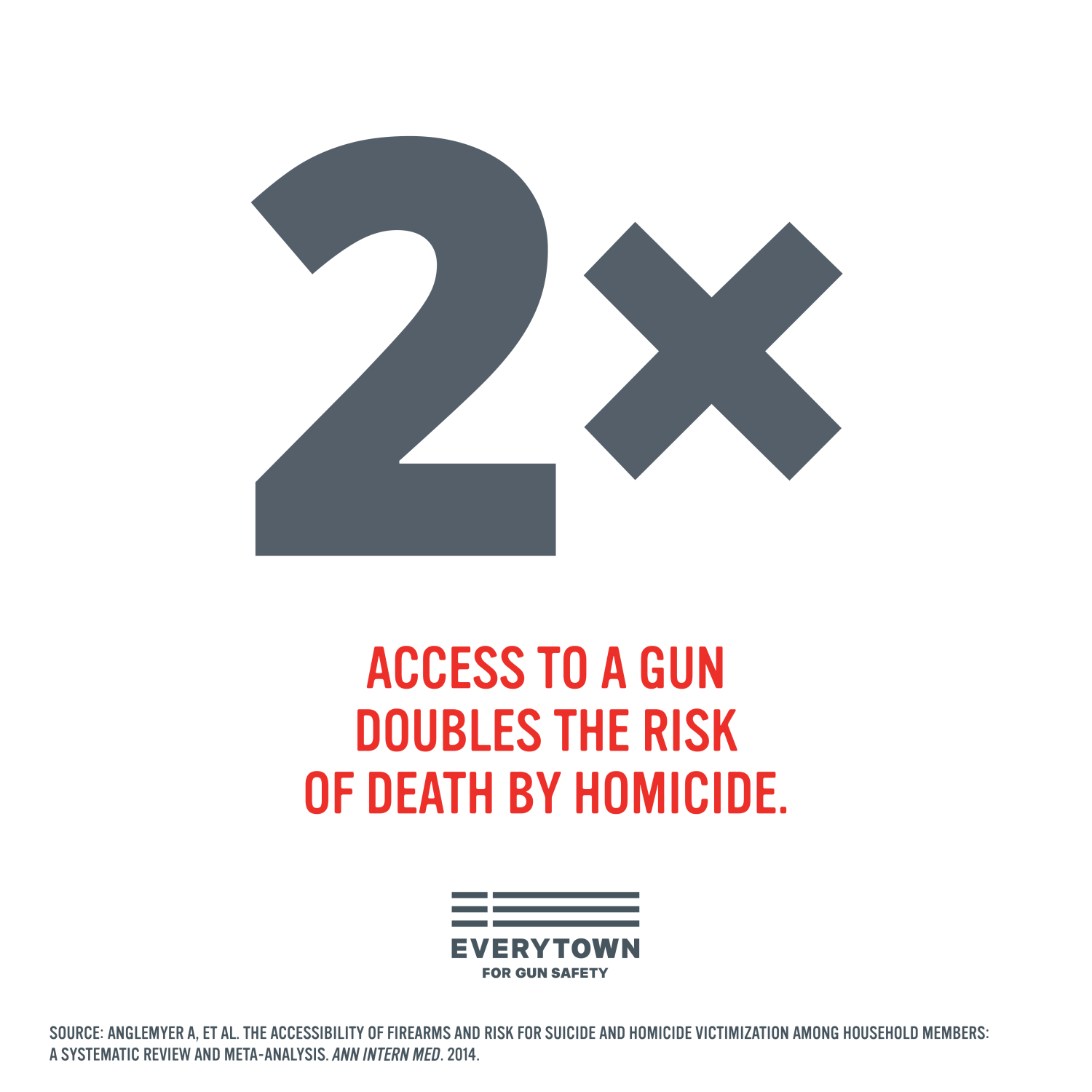
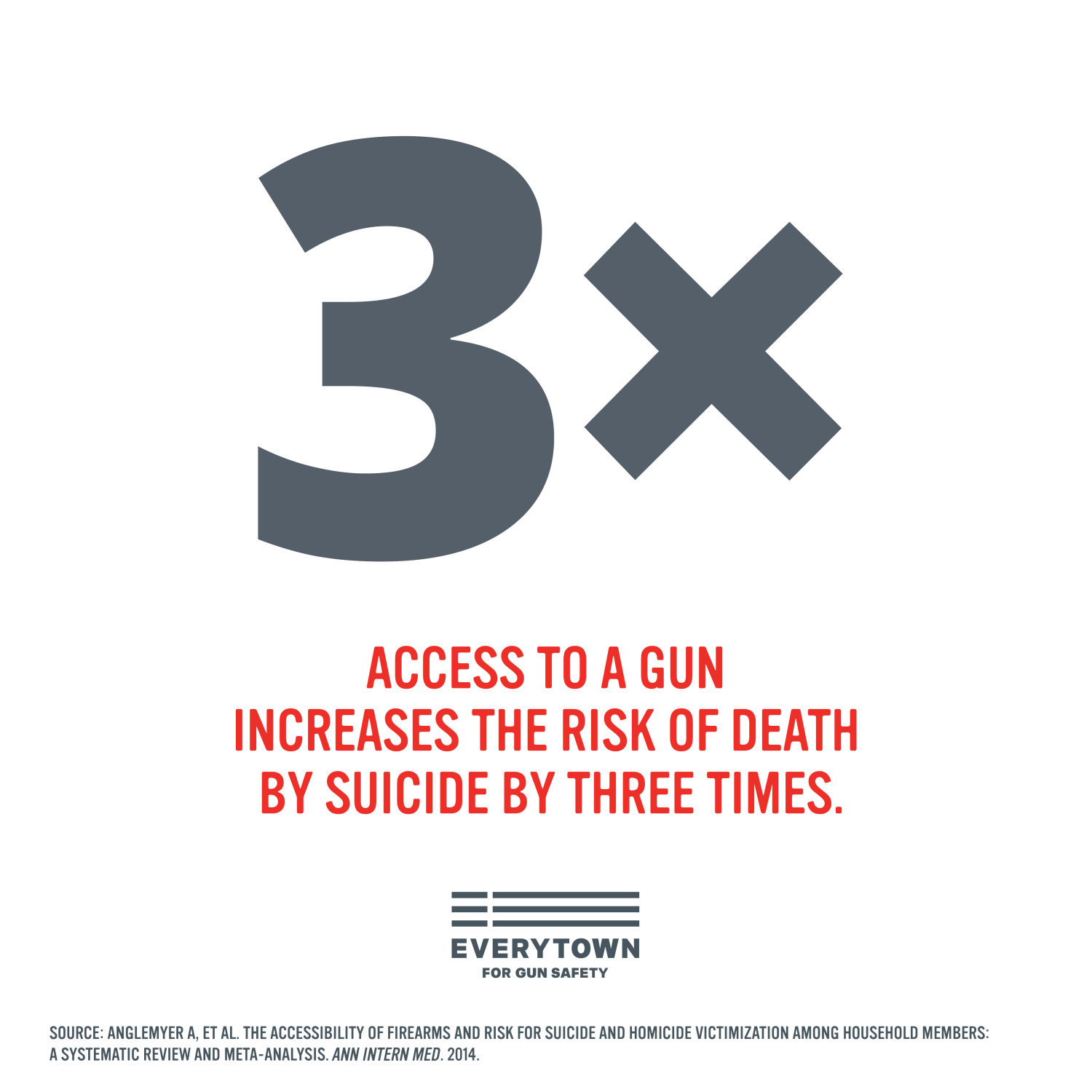
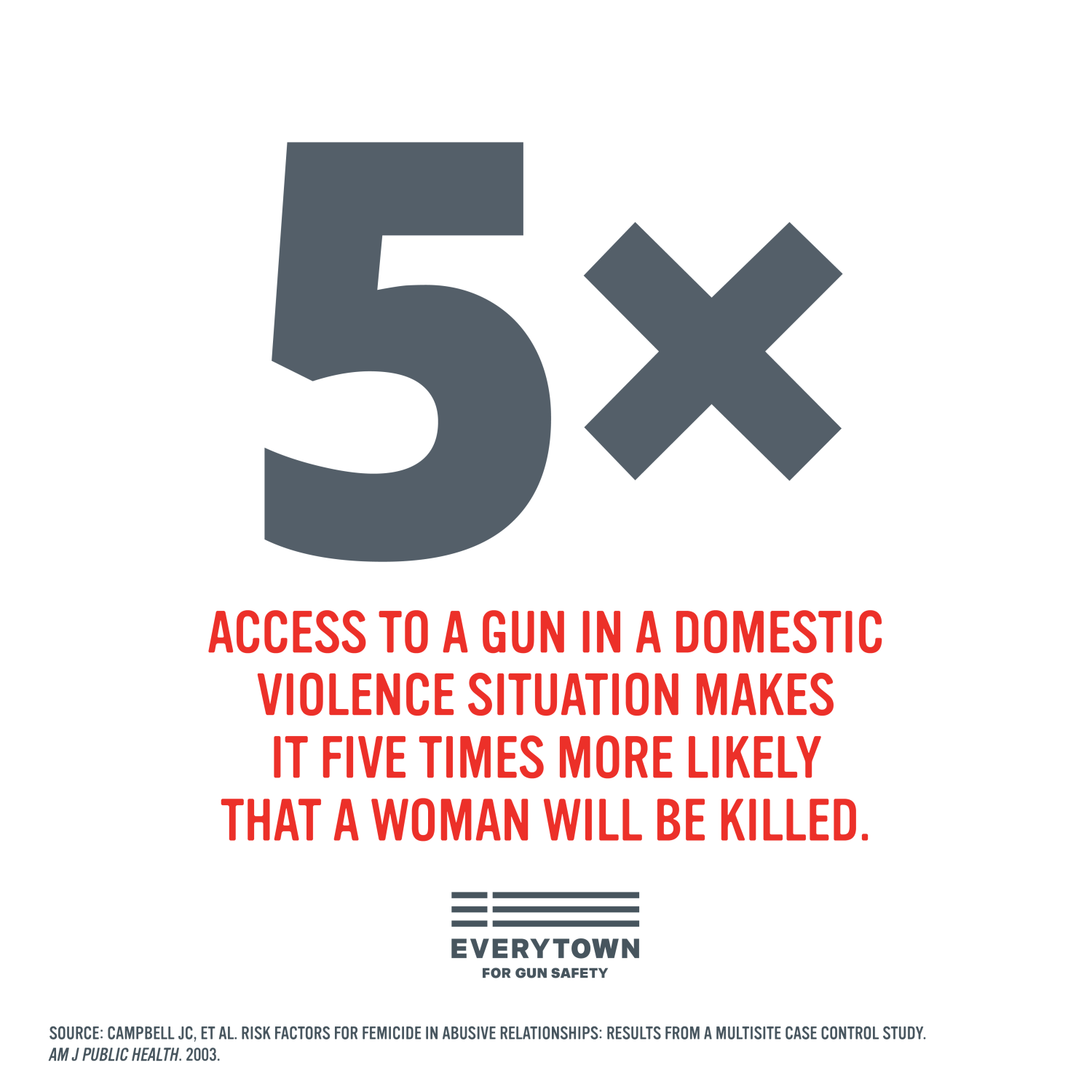
Everytown for Gun Safety and Moms Demand Action for Gun Sense in America are incredible organizations doing great work on behalf of gun violence prevention. Below are some info graphics from their sites for you to just get a quick glimpse of some gun violence stats. Also, if you want to dig deep into gun violence research and learn about bills in your area that are in the works to reduce gun violence, check out the Everytown Research page. There is a lot of great info there on current bills and information on gun violence prevention.
After the info graphics I’ve included a video from March for Our Lives on what to do in an active shooter situation. I should warn you, while it is informative, it is more jarring and contains sensitive material. It really hammers home how gun violence is impacting our youth. Get the tissues ready and then visit the March for Our Lives website to get involved.
** CONTENT WARNING, SENSITIVE MATERIAL IN FOLLOWING VIDEO**
-
Benn Marine 0:02
Welcome back team to the Ocean of Organizing podcast, where every Thursday we explore what it means to build community and create change. Every day, 100 Americans are killed by gun violence and hundreds more are shot and injured. Just let that sink in a minute. A hundred people die from gun violence every day in America. June is Gun Violence Awareness Month, and this weekend, starting tomorrow, June 7th, there are nationwide actions to spread awareness of the unprecedented gun violence our country is facing, which is also a great opportunity for you to get involved in your community on this important issue. To help us better understand gun violence and its roots and our history, I opt on the phone with special guest Tom Hartman. Tom is a New York Times best selling author of 24 books in print and hosts his own progressive TV and radio show with an audience of over six and a half million people. His latest book, The Hidden History of Guns and the Second Amendment, dives deep into our history and sets the record straight for the framers' intent of the Second Amendment based on thorough research. With that, let's dive on in. I'm curious, where did the motivation for writing this book come from?
Thom Hartmann 1:27
We're experiencing a crisis in this country with gun deaths. And yeah, that's that's where we're at right now. So I I I wanted to write about a book about it. Also, there's been an enormous amount of misinformation and disinformation about the origin and meaning of the Second Amendment. And I thought it was really important to correct the record on that.
Benn Marine 2:00
Yeah, what would you say uh through your research is the largest misconception of the Second Amendment that if you could wave a wand and correct for the general discourse, you would want to impart on folks?
Thom Hartmann 2:12
I think the largest misconception is that the framers and founders thought everybody should be able to have a gun and that that was just like a basic human rights sort of thing. Um that that was uh not even part of the thinking around the Second Amendment. I think the most dangerous misconception, though, which is not quite as widely held, but it's held very strongly in in uh conservative circles, is that the Second Amendment was put there so that if um if government should ever become you know quote, oppressive, then this the civilians could rise up and and take down their government. And not only was that literally never a part of the conversation at the at the writing, you know, the constitutional convention or any of the ratifying conventions or anything like that, but that also um was not even considered by you know anybody in in um you know mainstream legal or political circles until really the last 20, 30 years. It's entirely a product of a fevered imagination of part, you know, of uh hustlers and lobbyists and whatnot over at the NRA.
Benn Marine 3:24
Yeah, and and we I and I think uh something that you point out in your book that that's really important for folks to know about is the the connection between the actual reason of the Second Amendment and and the relationship with race. And uh I'm curious if you can kind of connect those dots for folks and then also tie it into how that's manifesting in our politics today.
Thom Hartmann 3:43
Sure. There were two big reasons for the Second Amendment. The first was that the founders um had watched country after country, or they knew the history of uh particularly in Europe, of country after country, uh, building a strong army to conquer nearby countries. And then after they had finished conquering those nearby countries, that army would turn on its own people and stage a military coup. And they they felt that the best way to avoid this happening in the future in this brand new country that they were creating was to not ever have a standing army during time of peace. And there were extensive debates about that, and where they ended up with that was two things. One was Article 1, Section 8 of the Constitution, which says that that uh Congress cannot appropriate money for the military for more than two years, period. It's the only limitation on congressional spending in the Constitution. And the reason that they put that in there was to basically force legislators every two years to decide whether or not they wanted to have, do you still want to have an army? Um, in addition to that, the the fallback to not having an army during time of peace was to have militias in each state to decentralize the military. And um, so the second, you know, the the Second Amendment was the second half of that, which was empowering the individual state militias to become the national army in the event that the United States was attacked, and that way they could avoid the problem of standing armies. That was the first reason. The second reason was that and has more to do not so much with the the Second Amendment itself in concept, because it was all entirely about standing armies when they were debating it in 1787 and 1789. But the original draft said for the security of a free nation, um, you know, a well well-regulated militia, etc. And um Patrick Henry got up in in the Virginia Ratifying Convention in 1789 and went off on this rather extensive rant about how the militia in Virginia, as was the case in Georgia, South Carolina, North Carolina at the time, the Virgin the militia in Virginia was actually known as the slave patrols. And it was the institution, I mean, in order to maintain slavery, you have to have a police state. And the police state, the principal mechanism of the police state in the in the slave states was the slave patrols. And so, you know, basically Patrick Henry was like if if you say that this, if the Second Amendment says that this is for the protection of a free nation, then and you get a northerner as president, he could call up the Virginia militia. And you know, A, he could free the slaves in the pursuit of that, but B, he called the Virginia militia and summoned the Canadian border, and we wouldn't have the slave control, and all the slaves would revolt, and that would be the end of us. So James Madison changed the language from for the security of a free nation to the security of a free state and deleted all the reference to people not wanting to serve in the military because they were Quakers or pacifists. Um, because Henry had basically patterned Henry and George Macy and these other Virginia slave owners. Um, and Madison was one of them too, although he thought that these concerns were overblown, um, because they really aggressively uh fought to maintain their slave patrols as independent militias.
Benn Marine 7:10
And and so with that, kind of tying that forward to how do we go from that version of the Second Amendment to, you know, some of the arguments that are made today that that gun owning is a right, right? And so I think part of that too is kind of coinciding with the evolution of the NRA. I'm curious your thoughts on tying those things together.
Thom Hartmann 7:33
Yeah, well, the the NRA up until the 70s was um, you know, by and large, just a sports person's organization, you know, it's for people who like to shoot guns, whether it was target shooting or whether it was hunting or uh whatever. They weren't even much at all into self-protection. And, you know, in the 70s or the early 80s, I forget the exact year, there was basically a coup where the manufacturers, the gun industry, took over and along with a bunch of right-wing, hardcore, right-wing ideologues, took over the NRA and turned it into a uh, you know, an arm of the lobbying um group uh for the for the weapons industry. And you know, that's what led that's what led to all this. And then and then they started bringing these cases before the Supreme Court over and over while they were arguing this bizarre legal doctrine that that uh there's actually an individual right of gun ownership in the in the second amendment. Of course, if they could get that, if they could get the Supreme Court to agree with that, it would mean you know billions in profits for the weapons manufacturing industry because it would open up whole new markets to them. And uh, you know, Scalia went along with it. Scalia had this fake thing that um the the Supreme Court back in the 1930s when they were knocking down FDR's New Deal stuff, claimed that they were, quote, originalists, that they were channeling the original intention of the founders. And uh, you know, it was BS then and it's BS now. And so Scalia had to find some example of that kind of language that would be useful. And so he found an old anti-federalist tract. Uh, these are the people who didn't want to the United States to become the United States, they did not want the Constitution to be ratified. He found this old anti-federalist tract out of Pennsylvania from the 1700s, and and it referenced something about Harth and Kin protecting Harth and Kin, and Skelega was like, aha, I've got my language. And you know, he built that into the Heller decision as if it was the founders when it wasn't. It was a bunch of renegade, you know, uh anti-American practice, exclusively. So here we are.
Benn Marine 9:45
Yeah, and and I'm curious too. So uh so as a as a as a um radio host yourself, you do a lot of interviews with folks that are you may have opposing views um on different, you know, various issues and things. And something that a lot of organizers run into, it's I think especially around um the politics of guns, is is those those conversations. And I'm curious if you have any words of wisdom for folks and how to navigate those challenging conversations. I know um actually I I think I heard an interview too where you had talked about uh you know how you and your dad used to get into uh conversations and how you hadn't maybe didn't see eye to eye politically.
Thom Hartmann 10:23
Yeah, my dad was a Republican all his life and we used to argue about politics a lot. Um, you know, I think in some families, um, you know, if you're talking about loved ones, sometimes you just declare a truce and say, you know, okay, we're not gonna debate politics. Um but I I I think that around this issue broadly, um, if if we want to have uh debates and discussions around the topic of the Second Amendment, the best ammunition for that, no pun intended, is uh information. And that's why I wrote the book. I I wanted to give people the information so that when people say, well, you know, the second amendment's here so that I can I can pack heat when I get worried. No, it's not. That's you know, that was never even discussed. Oh, the Second Amendment's here so that, you know, if uh if the government ever becomes oppressive, we can start shooting down black helicopter black helicopters. None of that was never even discussed, and it's just all right there, black and white.
Benn Marine 11:18
I'm curious too, so you actually, if if you don't mind um sharing with us, and it's okay if you don't want to, um, you actually one of your close friends, Clark Stinson, died of of gun suicide. I'm curious what impact that had on your writing of the book, and and if you wanted to share any um kind of memories of Clark or or or or what that was like for you.
Thom Hartmann 11:42
Uh Clark was my best friend. We we went up uh when we were 17, as I recall, we took a couple of TPs up into the Chippewa National Forest and lived in the woods for three months in northern Michigan that summer and you know went through uh junior high school together and and uh he uh this was during the Vietnam War and he he'd gotten well, he was gonna get drafted, and so he signed up thinking that if he volunteered, he wouldn't have to go off to combat. And lo and behold, um they were gonna send him off to Vietnam for combat. So he came home uh during that Christmas of whatever year that was, I think it would have been 69 and maybe 68, and uh came and visited me. He was very, very bummed out, and I just thought it was just okay, he's he's bummed out. And I tried to, you know, be there for him, but I didn't really know what to say or do. Um, he went home. Uh there was a uh he did not want to go back to the to the army. There was a gun store down the street. He went down, he bought a gun, came back, sat in his in his bed and put the gun in his mouth and blew the back of his head all over the wall. Um that is actually the most common way, or depending on what part of the country you're in, and what subpopulation you're talking about, um, one of the most popular ways that, or frequent ways that guns kill people in the United States, about half of all gun deaths are suicides. And one of the things that we know um is that that you know suicide is often an impulsive act, it's something people do out of a uh a momentary, essentially seventh sense of absolute despair. And um, you know, if somebody takes an overdose of pills or they slit their wrists or they do pretty much, you know, most of the other ways that people commit suicide, they can back out, and they usually do. Um, whereas with a gun, once you pull that trigger, there's no backing out. And so uh, for example, when Australia, after the Port Arthur massacre um in 1996, passed stringent gun control laws and did a huge nationwide gun gun buyback program that you know decreased dramatically the number of guns in circulation in Australia. They saw not only a drop in homicides, but they saw a drop in suicides. And that drop in suicides, it's been over 20 years now since that happened, and that drop in suicides has been maintained over that period of time. So that impulsivity element to suicide has been taken out by taking out the guns. And uh, you know, I think most people would agree that that's a good thing.
Benn Marine 14:28
Yeah, absolutely.
Thom Hartmann 14:29
The other the other statistic I think that um I I got this after the book was finished, and so I'm not sure it's not in the book, although there are enough statistics that that kind of dance around it, is is that uh if you add up, you know, we all have all this great respect for our police officers and our military because you know, when they go to work, they could get killed, and frequently do. And so we let military board the plane first, and you know, and everybody's all deferential to cops and all this kind of stuff. Well, if you take all the police officers last year who were killed by guns, and you take everybody in the military, all five branches of the service worldwide who are killed by guns, and you add those numbers together, you have a number that is still smaller than the number of children in the United States who were killed by guns last year. That should shock us all.
Benn Marine 15:20
Wow. Wow, that's that's pretty wild.
Thom Hartmann 15:23
Um yeah. I but you're not hearing them say at the uh at the airport, you know, uh children who might be killed by guns can be boarding first. No, instead it's our military because they're putting their lives on the line. I'm sorry, our kids are putting their lives on the line for the profits of the of the of the weapons industry.
Benn Marine 15:40
Yeah, and and I'm curious, kind of in that vein, what over the course of like the process of doing this research, what was some of the most challenging pieces and maybe even some of the most rewarding pieces of of kind of digging deep into this issue?
Thom Hartmann 15:54
Well, for me personally, I I've been a junkie about you know revolutionary era history my whole life. And so um reading the the uh Madison's notes on the Constitutional Convention, uh those debates and discussions. Um that I mean I'm following up with a second book on the on the Supreme Court, the hidden history of the Supreme Court, which will be out in a few months, maybe four or five months. And and it also goes back and looks at you know what the founders were saying and why and how that was uh for me the most exciting stuff. The the most depressing stuff was reading all this um essentially hate and propaganda coming out of the uh pro-NRA message boards and and op-eds and things like that, you know, going off on these rants about how um every American's uh right to to uh own a gun so that they can kill government officials and things like this. Stuff that was you know even echoed uh back in the day by people like Gordon Liddy.
Benn Marine 16:55
Yeah, I'm I'm I'm curious to to to to that and kind of circling back, uh, you know, I I think a huge I think folks that are of marginalized identity, especially people of color, are at disproportionately higher rates of of experiencing gun violence. And I'm curious tying that to the history of guns in America and the use of slave patrols and all of those things. Can you tie for us together the the kind of as you were kind of talking about like those slave patrols and then how that's manifest in in today's gun violence that we're that we're seeing around the country? Sure.
Thom Hartmann 17:31
Well we know that that uh the you know poverty is is a uh huge um risk factor for homicide and suicide, period, regardless of race. But um, you know, we've because of you know 400 years of of slavery and 500 years of institutionalized racism, um poverty in the in the United States is is uh very often intensely uh uh present among communities of color. And the the slave patrol roots of our modern policing system show up in statistics like um if uh you are killed by a stranger in the United States, one out of three people killed by a stranger, obviously, one out of three that you were killed by a cop, which is pretty amazing. You know, one out of three, all literally one-third of all stranger-based killings in the United States are are killings by police officers. And of course, as we know, that uh rests disproportionately heavily on on uh communities of color.
Benn Marine 18:36
Awesome. Thank you for that. Is there anything that um you would want to impart on organizers and folks that are in the field doing this work? I think you know something that uh we actually here in the state of Maine uh back in 2016 we had a referendum uh to pass background checks on all firearms sales in the state. And the polling was incredible, you know, polling all across the state, including gun owners, NRA members, like it was people were overwhelmingly support of it. And yet it failed at the ballot in those final weeks as the NRA, you know, some of that messaging came out um and and the gun lobby uh kind of flexed their muscle there. Uh I'm curious for folks that are uh you know working on these various issues, if if in your research you you found things that might inspire folks or or any advice you might want to impart on them.
Thom Hartmann 19:26
Well, I you know, one of the things that that uh we have seen, we saw this in in Washington State. I live in Portland, Oregon, so we get TV from Washington State that's literally just on the other side of the river from us. And uh they had a ballot initiative to uh tax carbon and it had wide popular support. But during the election, the last election 2018, um literally every 10, 15 minutes, you would see an ad uh from the fossil fuel industry saying, they're gonna raise your taxes, it's gonna create a depression, it's gonna be a disaster. Bloody, bloody, bloody. The industry poured millions and millions of dollars into that ad campaign and they flipped the vote. And you know, the same thing happened, I'm guessing, in Maine. And what that tells us is the the extraordinary power of money in politics. And it's one of the reasons why so many of your democratic presidential candidates right now, and a lot of people have been saying for a long time. Like I wrote a book about it years ago called Unequal Protection, that we have to get money out of politics if we're gonna have a functioning republic. It's just it's just that simple, it's that straightforward. And um, because I mean there's a reason why companies advertise, there's a reason why you know U turn on the TV and there's pharmaceutical ads and this, that, and the other thing. And that reason is that they sell product, they change minds. And so in 2000 in 1976, when the Supreme Court in the Buckley decision said that uh spending money to buy, own, or support politicians is a constitutionally protective free speech issue. You know, that that uh the that infusion of money into politics as a result of the 1976 Buckley decision by the Supreme Court and then the subsequent reaffirmation of that in the uh 2010 Citizens United case led us to this situation where you know the fossil fuel industry can buy the legislation they want or even the ballot initiatives that they want, and so can the gun industry. That's a that's a problem that goes way beyond guns. That's a a deep, can't deep-seated cancer at the core of our republic, put there by the Supreme Court, and it needs to be taken out by a constitutional amendment so that the Supreme Court can't do it again.
Benn Marine 21:30
Yeah, and I feel like that's a really great example of how so many issues that organizers are working on do intersect, right? Like folks doing like anti-racist work and doing like you know, gun violence prevention and all of these things, they really do and um you know, folks doing the clean elections work, like that's all so much of it is intersectional and it's it's so important. Um, to keep that framework for sure. I'm I'm curious too, is kind of speaking in the realm of of organizing, uh I know that you have uh have done a myriad of things over the course of your career. I'm curious if you have any advice for folks that are maybe changing things up. Like maybe they're just getting started organizing or they're leaving organizing to start another thing. How have you navigated those transition points into different career paths?
Thom Hartmann 22:14
Well I I I've always in terms of career paths I've always done what I was really excited about doing, things that I had a passion for and things that I thought were going to have a positive impact on the world, even in the business world. I think you know most people have some variation on that as a core set of values, although a lot of people don't have the the luxury or privilege of being able to start their own businesses and things or the knowledge of how to do it basically. I mean I I started with literally nothing but the well other than white privilege I suppose but um as it applies to activism I think that you know we need to we need to maintain our levels of activism. We need to work on those things number one but number two uh at the largest in the largest sense what we need what we really need in this country is a shift in our culture and culture changes when individuals start changing their behavior and we hit a critical mass you know it's kind of the butterfly effect uh on its way to the teeter solder effect and so people may think well you know if I if I uh drive an electric car or if I uh eat vegan as opposed to eating meat and things like that well that's not going to change the world or safety environment or whatever um but it will cause other people to notice your behavior and it will cause them to think and consider it and they they may in turn change their behavior and then that that will cause other people to change their behavior and that's the very definition of culture change. So you know we need to proclaim our activism and encourage other people to become activists and as that echoes through the culture then then you know we'll see our culture shift.
Benn Marine 23:57
Awesome. Yeah any any um final thoughts or or parting advice that you have for folks? Get out there and get active tag you're it's fairly I'm actually I'm curious have have you uh what does activism look like for you over the years like or what does your involvement look like?
Thom Hartmann 24:16
Well I you know I was I was active in SDS in the 60s and I've remained politically active throughout my life um you know right now it takes the form of writing books and articles and doing a radio show and a TV show every day. But you know everybody has to find their own path we all I mean as I said earlier even even if your activism is confined to you know your five best friends and three members of your family um that activism can really ripple out and change the world it really and truly can the the the the power of you know kind of the activist version of compound interest you know it just keeps adding and adding and spreading and spreading.
Benn Marine 24:56
Yeah absolutely great well thank you so much Tom for your time I really appreciate it. My pleasure thanks for the interview thank you talking with you thank you so much for tuning in this week team this issue is one that is near and dear to my heart. I was actually in high school at the time of the Columbine shooting and I remember it like it was yesterday. It prompted me to begin working with Save Students Against Violence Everywhere and it was really the first time I ever dipped a toe in the waters of organizing. I hope that if you are able, you'll participate in a Wear Orange action that is happening near you this weekend simply go to wearorange.org to find an action in your area and you can find that link in the show notes. I did read Tom's book myself from front to back and must say that Tom did an excellent job of taking an overwhelming issue and breaking it into small bite-sized digestible chunks. Definitely get your hands on a copy for links to learn more about Where Orange, Tom's book The Hidden History of Guns and the Second Amendment, save and some other really great resources and information on gun violence prevention work, check out Oceanoforganizing dot com forward slash episode 10 that's one zero. Also just a quick update in the land of Ocean of organizing we're committed to finding ways to make political advocacy and organizing work more sustainable. And to do that we are setting out on building a nationwide survey of activists and organizers to better understand our needs and to give us data to advocate for ourselves. Burnout rates are really high in organizing we know that imagine all the work that we could get done if everyone who's ever done organizing work were able to stay in it for the long haul. It would be incredible. So to support that work and to learn more visit oceanoforganizing dot com forward slash survey thank you so much for tuning in and showing up it's an honor and a privilege to serve you. I appreciate you be well
